
Practice Areas
Defense
Defense procurement, authorization, and policy are shaped by a small number of committees with deep expertise and long institutional memory. Skyline Capitol's president served on those committees and brings that experience to our clients.
Schedule a Consultation"Defense policy is shaped well beyond the hearing room. It reflects years of oversight, operational experience, and the credibility that earns a serious hearing from Members and staff."
The defense industrial base operates in a distinct policy environment, where procurement decisions, authorization language, and budget priorities are shaped by a small number of committees with specialized jurisdiction. Skyline Capitol's president spent nearly 12 years in Congress, serving on the Appropriations Defense Subcommittee and the House Intelligence Committee. Our defense practice is built on that experience and on decades of public and military service.
What We Do
We help defense contractors, technology companies, and emerging defense firms navigate the authorization, procurement, and policy processes that determine program funding, contract awards, and regulatory requirements.
- Defense authorization strategy — NDAA language, program office outreach, and committee engagement
- Procurement and acquisition policy — FAR/DFARS navigation and acquisition reform advocacy
- Defense appropriations — program funding, budget justification, and Subcommittee engagement
- Emerging technology integration — positioning novel capabilities within DoD's acquisition pathways
- Intelligence community policy — IC programs, acquisition policy, and the oversight process
- Export controls and ITAR/EAR compliance advocacy with Commerce, State, and DoD
- Defense industrial base policy — supply chain security, domestic sourcing requirements, and small business provisions
The Experience Behind This Practice
Defense policy is a credentialed domain. Our team brings institutional knowledge to this practice grounded in a firsthand record of congressional and military service.
Appropriations Defense Subcommittee
Years on the House Appropriations Committee's Defense Subcommittee, overseeing funding for military readiness, weapons system procurement, and force structure — the process that funds the entire U.S. defense enterprise.
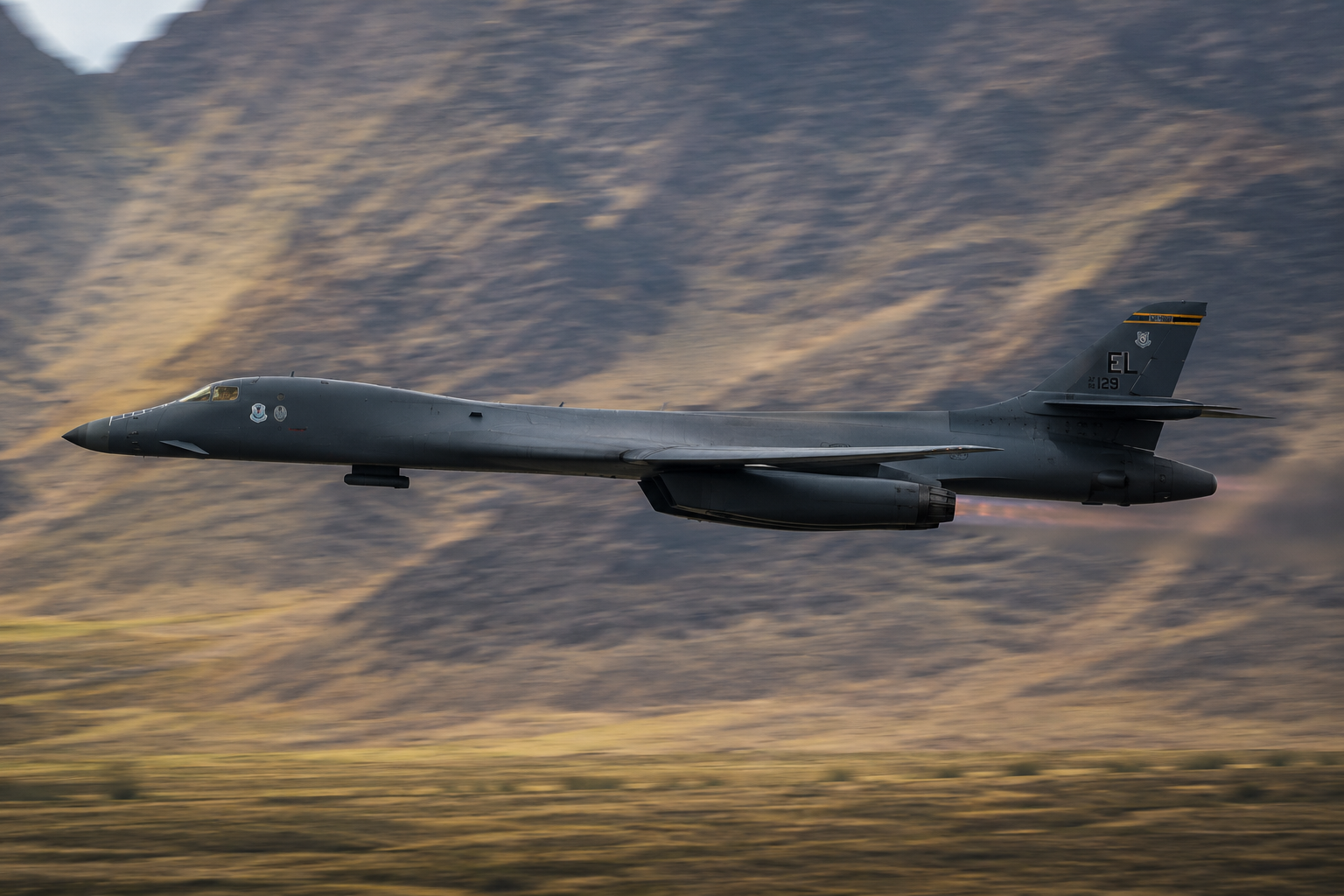
B-1B Lancer — Combat Pilot
A decorated Air Force combat pilot who set three world records in the B-1B strategic bomber. This operational background provides a ground-level understanding of defense systems, readiness requirements, and military culture that informs every engagement.
House Intelligence Committee
Service on the committee responsible for oversight of the intelligence community, including defense intelligence agencies, signals intelligence, and the intersection of emerging technology with national security.
Published Defense Authority
As a New York Times bestselling author on national security and defense topics, our president is an established public voice on defense policy beyond the Hill, engaging with think tanks, academic institutions, and media outlets that shape the broader conversation.
Our Approach
Defense government affairs requires more than policy knowledge — it requires operational credibility, committee experience, and the ability to engage in the technical language of acquisition and national security.
01
Operational Credibility
Defense contractors and technology companies benefit when their advocates understand the operational context of what they build. Our president's military service informs how we approach our work with defense-focused Members and staff.
02
Committee Architecture
The NDAA, defense appropriations, and intelligence authorization bills are written by a small number of committees with highly structured jurisdictions. We understand that architecture — which subcommittees control which programs, which members have earned which equities, and how to navigate the process at every stage.
03
Long-term Positioning
Defense programs have multi-year acquisition timelines. Effective government affairs work begins years before a contract award, building credibility with policymakers and engaging early in the policy and requirements process that shapes defense priorities.
Other Practice Areas
Defense Is a Credentialed Domain. So Are We.
Success in defense policy depends on advocates who understand the acquisition system, speak its language, and can make a credible case to the committees that oversee program funding. Let's talk about your objectives.
Schedule a Consultation


